


Differentials & Parts
Find it faster
Match to your vehicle
Make
Category
Condition
In Stock
Price
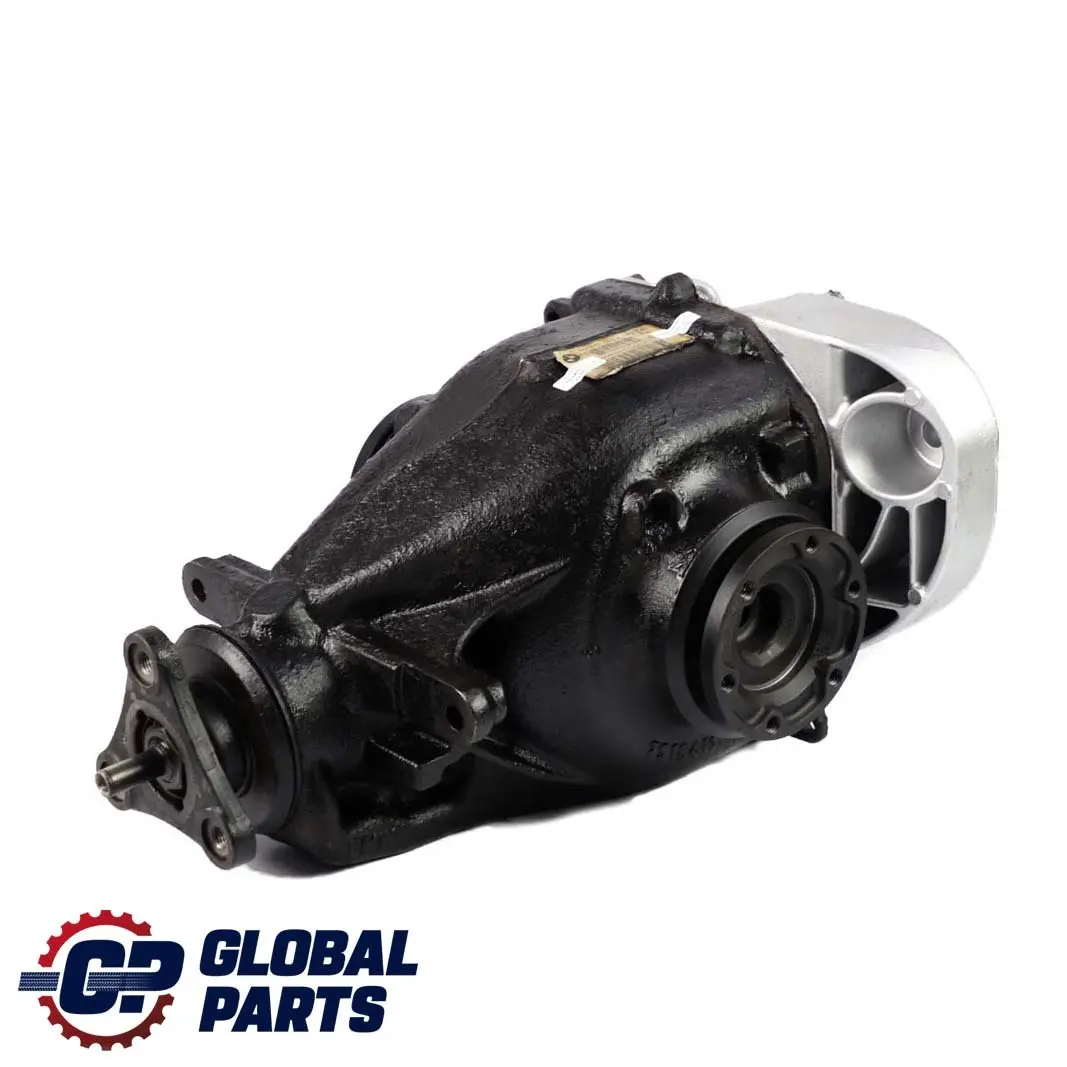
Differentials & Parts
In the Global Parts automotive store, you will find a wide selection of used car parts, compatible with BMW and other brands. The differential parts category includes components responsible for transferring torque to the drive wheels and ensuring the proper operation of the differential mechanism. These elements are essential for smooth driving, stable cornering, and the correct functioning of the entire drivetrain.
Construction and purpose of differential parts
Differential parts are components installed within the differential mechanism located in the drivetrain. They serve to transmit power from the driveshaft and half-shafts to the wheels, while allowing for a difference in rotational speed during turns. The typical scope of this category includes housings, flanges, gears, covers, mounts, and smaller components that work with the sealing and seating of the assembly. When selecting a part, it is worth paying attention to the OEM part number, replacement numbers, vehicle placement, and compatibility with the specific drivetrain version. When completing a repair for a specific model, e.g., BMW E90, it is also good to verify the type of axle, engine version, and body type.
Comparison of typical elements in this category
| Element type | Basic function | What to check before purchase |
|---|---|---|
| Differential housing | Holds and protects the internal parts of the differential mechanism | OEM number, mounting points, compatibility with drive type and mounting location |
| Flange or connection element | Connects the differential to the half-shaft or driveshaft | Seating diameter, connection type, axle version, and replacement numbers |
| Cover or sealing element | Closes the housing and supports the tightness of the assembly | Shape, bolt pattern, seal type, and housing compatibility |
| Gear or internal element | Transfers load and contributes to the operation of the differential mechanism | Gear ratio version, OEM number, type of mating assembly, and condition of working surfaces |
Function of the differential mechanism and related components
The differential mechanism is used to distribute torque between the drive wheels in a way adapted to driving conditions. Without its proper operation, the car handles corners poorly, and the loads transferred to the half-shafts and tires increase. Differential parts work with components such as gearbox parts, bearings, and elements from the gearboxes and transmissions department. A bearing in this system is an element that supports rotating parts and maintains their correct operating position. It is responsible for the smoothness of rotation and limiting play, which could otherwise lead to noise, vibrations, and wear of the mating surfaces.
Selection and fitting of differential parts
When choosing differential parts, the most important step is to compare the OEM number, drive version, and mounting location on the vehicle. Products in this category may include information such as Brand, Condition, OEM part number, Replacement numbers, and Vehicle placement, which facilitates precise matching. If a single component is being replaced, it is good to also check the compatibility of mounting points, seating diameters, and housing variants. When choosing an element such as a BMW E46 differential, it is worth comparing the housing markings, the method of connection to the half-shafts, and compatibility with the gear ratio used in the specific car version. In practice, it is also helpful to compare with elements such as gaskets and rings or complete differentials if the repair is to cover a wider scope.
Signs of wear and practical assembly tips
Differential parts wear out at different rates depending on loads, usage patterns, and the condition of mating elements. Verification is most often prompted by unusual noises from the rear or front axle, noticeable play, leaks, and problems with power transmission. If you are looking for a component such as a BMW E60 differential housing, you should check the completeness of the mounting points, the condition of the contact surfaces, and compatibility with the mounting hardware. Before assembly, it is worth comparing the old and new parts in terms of shape, mounts, and markings. It is also good practice to check the mating seals, bolts, and support elements. As supplementary material, you can read Engine cooling system – overheating, repair, and used radiators to gain a broader perspective on the relationship between the condition of mechanical components and the durability of the entire car.
FAQ
| Question | Answer |
|---|---|
| What is the construction and purpose of differential parts? | Differential parts are components that form or supplement the differential mechanism in a vehicle's drivetrain. They include housing elements, internal parts, connection components, and sealing parts. They are mounted in the axle drive assembly and are responsible for the correct transmission of driving force and the stable operation of the entire mechanism. |
| What are differential parts used for? | Differential parts are used to maintain the proper operation of the differential mechanism and its connection with other drivetrain elements. They enable the distribution of torque between the drive wheels and support correct operation during turns. Their condition also affects the tightness, operating culture, and durability of the mating components. |
| What is the construction and function of the differential mechanism? | The differential mechanism is a gear assembly located in the drivetrain, whose task is to transmit torque to the drive wheels while accounting for the difference in their rotational speed. It consists of parts seated in a housing, gear elements, and connections to the half-shafts and driveshaft. In addition to transmitting power, it affects driving smoothness, car behavior in corners, and the reduction of stress in the drivetrain. |
| How to choose the right differential parts for a specific car? | It is best to compare the OEM part number, replacement numbers, drive version, and mounting location on the vehicle. It is also worth checking the housing type, mounting method, and compatibility with other assembly elements. With many variants, verification via VIN or comparing markings from the dismantled part is helpful. |
| What symptoms should be noted before replacing differential parts? | The most common signs include noise while driving, whining under load, noticeable play, and signs of leaks. In some cases, vibrations or a decrease in the smoothness of power transmission also occur. Symptoms should be assessed in conjunction with the condition of the half-shafts, mounts, and support elements. |
| What data from the product offer helps in matching differential parts? | The most useful information includes the brand, condition, OEM part number, replacement numbers, and vehicle placement. It is also good to compare photos, mounting points, and construction markings of a specific variant. This makes it easier to avoid mistakes with parts that are visually similar but intended for different drivetrain versions. |
Summary: differential parts at the Global Parts automotive store
Differential parts are an important group of drivetrain components responsible for efficient power transmission and the correct operation of the differential mechanism. Global Parts offers used car parts intended for many models, including cars from the BMW brand and others. When choosing, it is worth being guided by the OEM number compatibility, car version, drive type, and mounting location to select an element suitable for the specific vehicle configuration. We invite you to contact us – we are here to help! For more information and interesting facts, we also invite you to visit our automotive blog.