


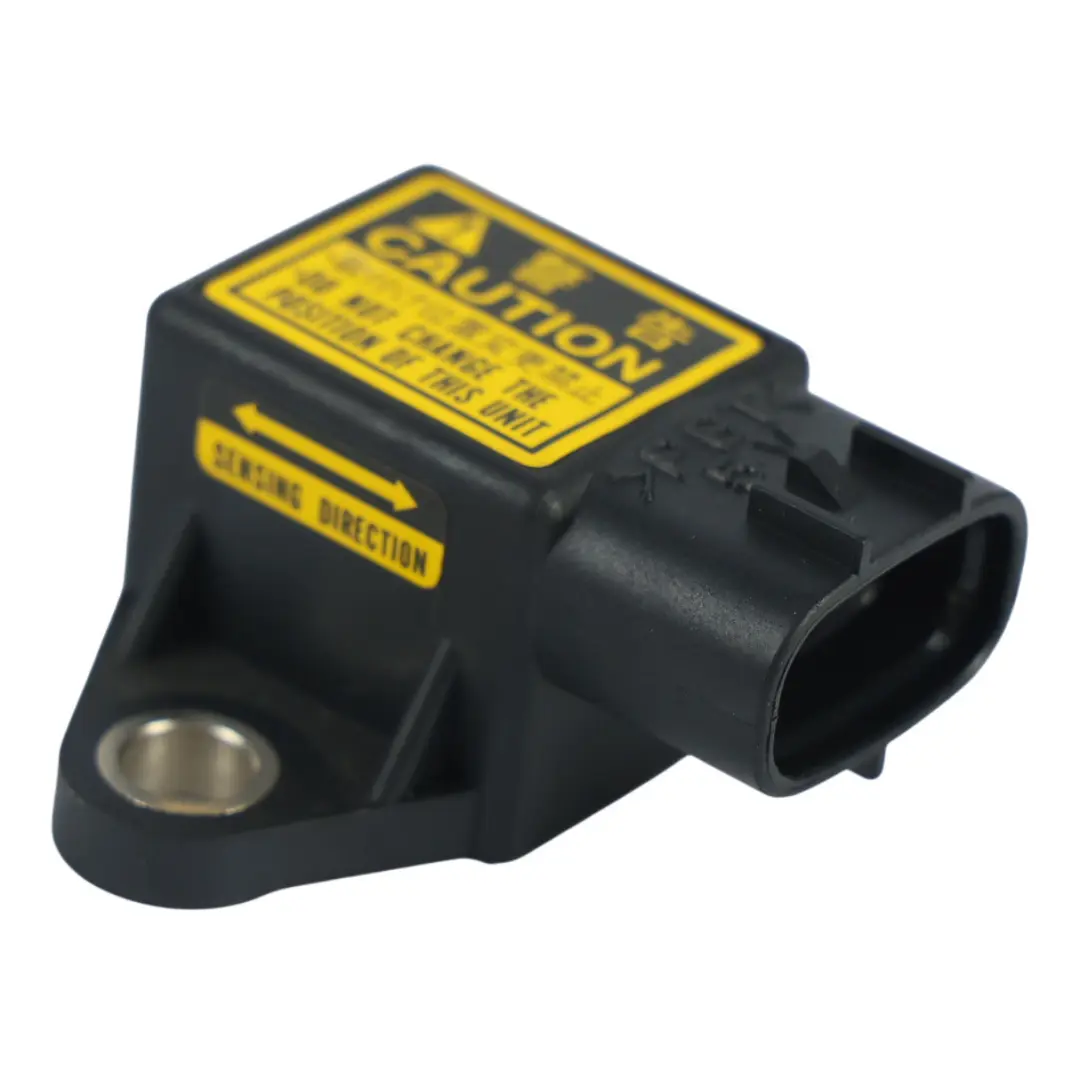
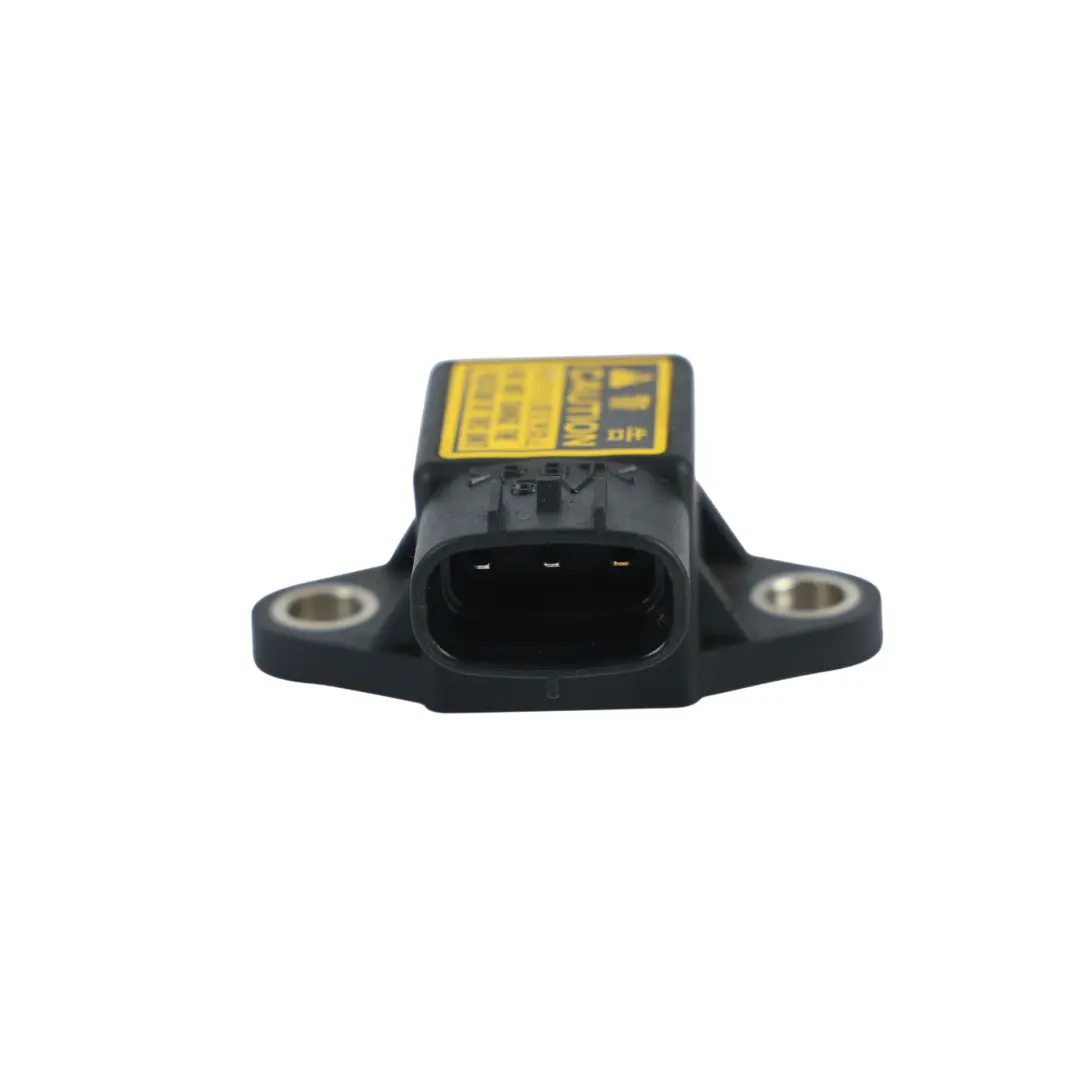
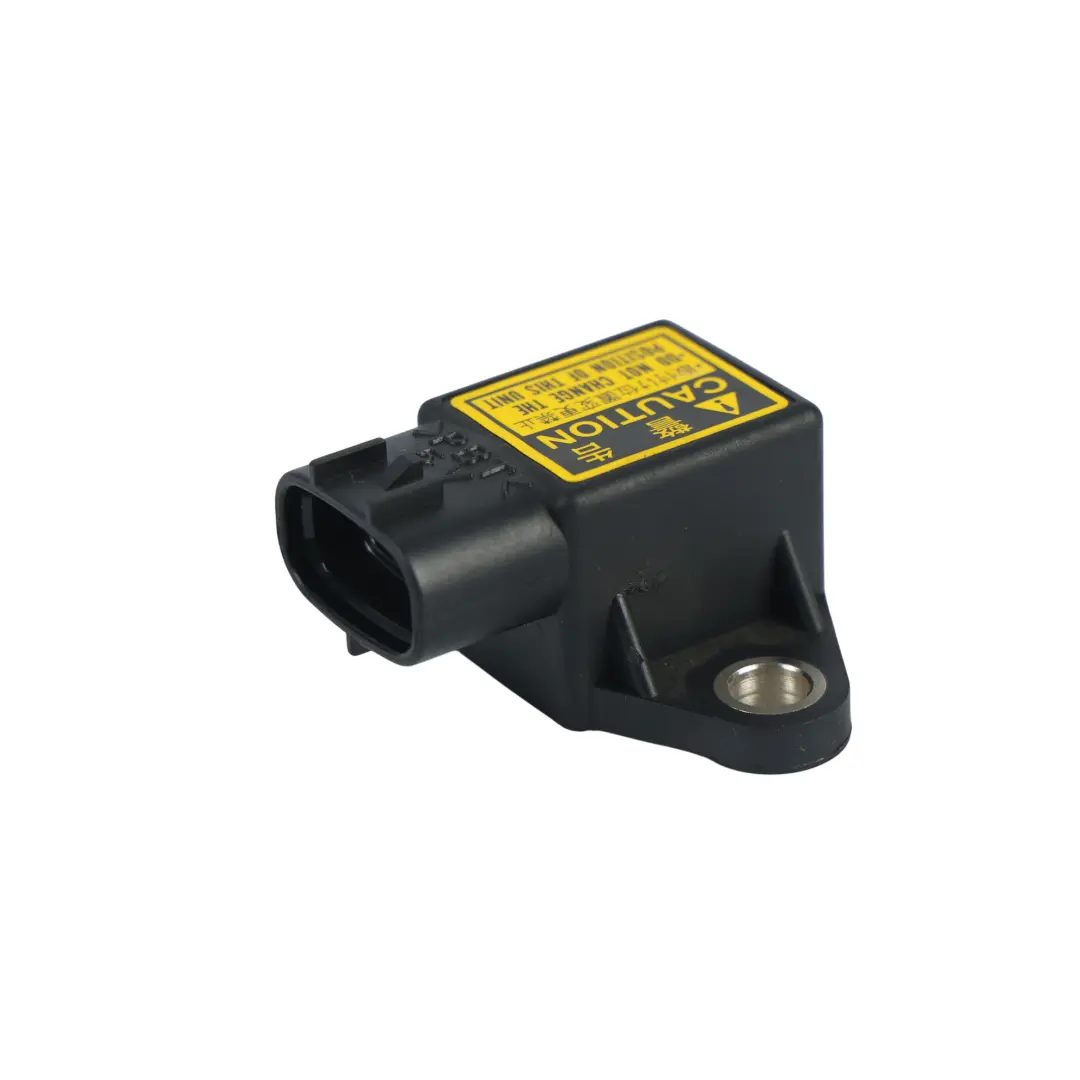
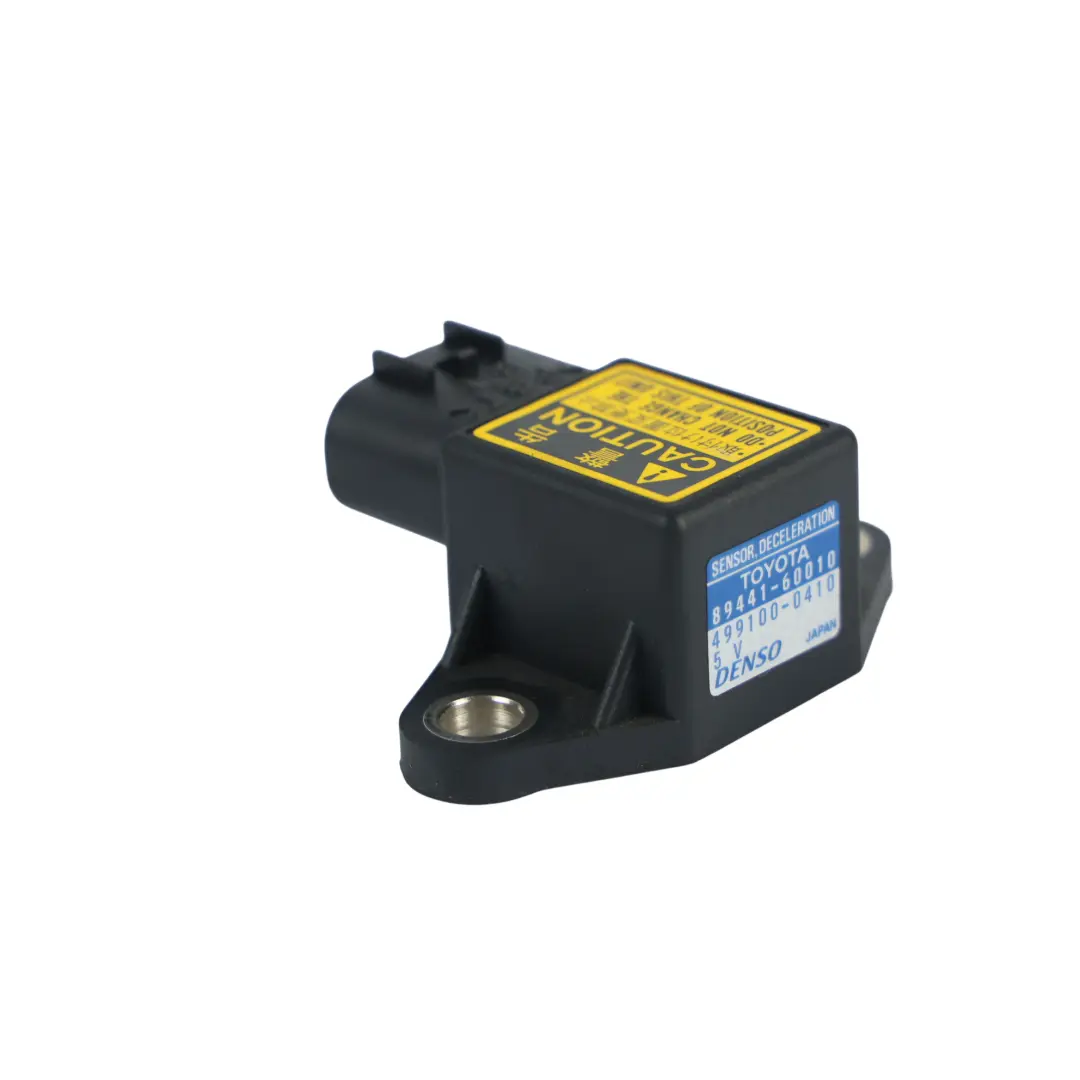
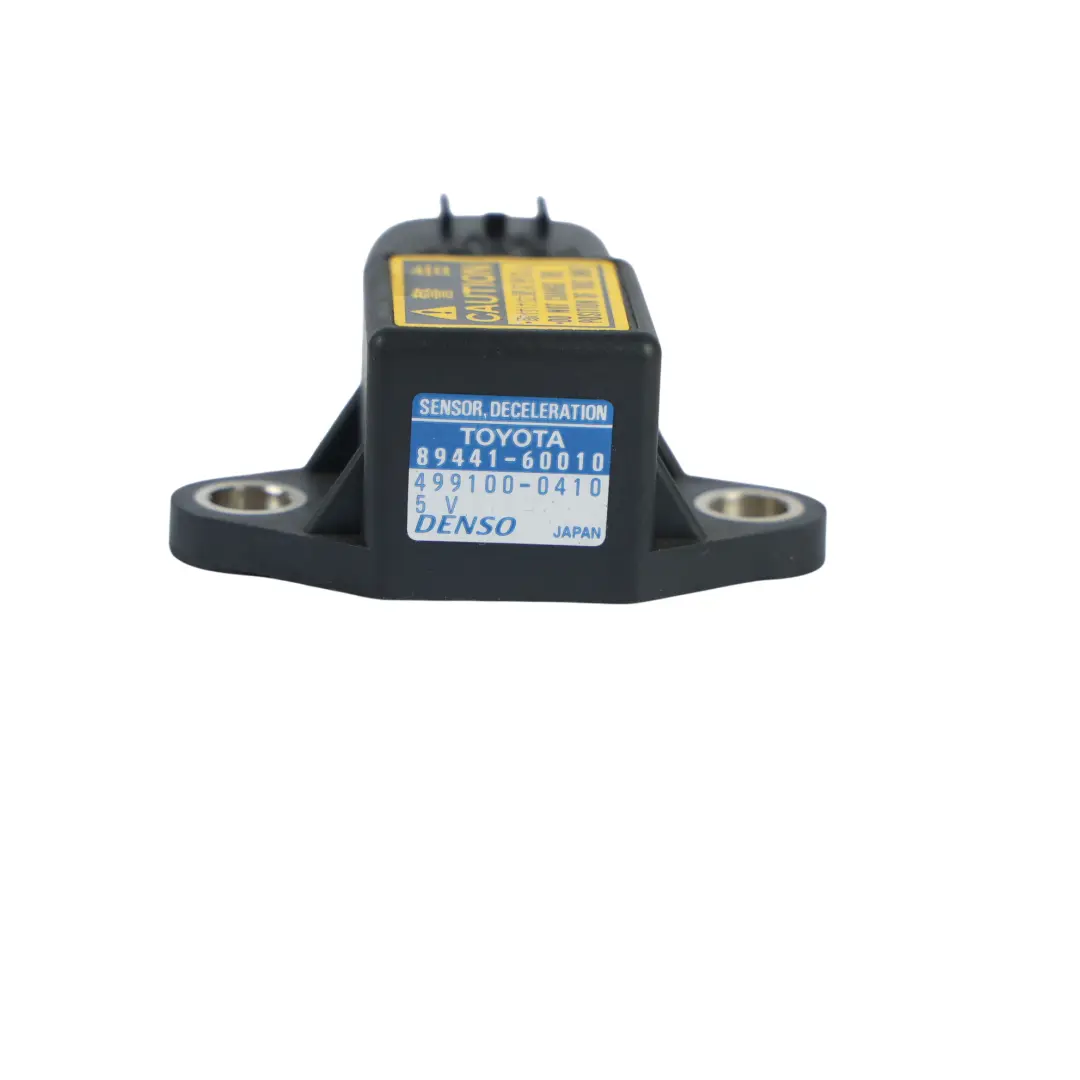
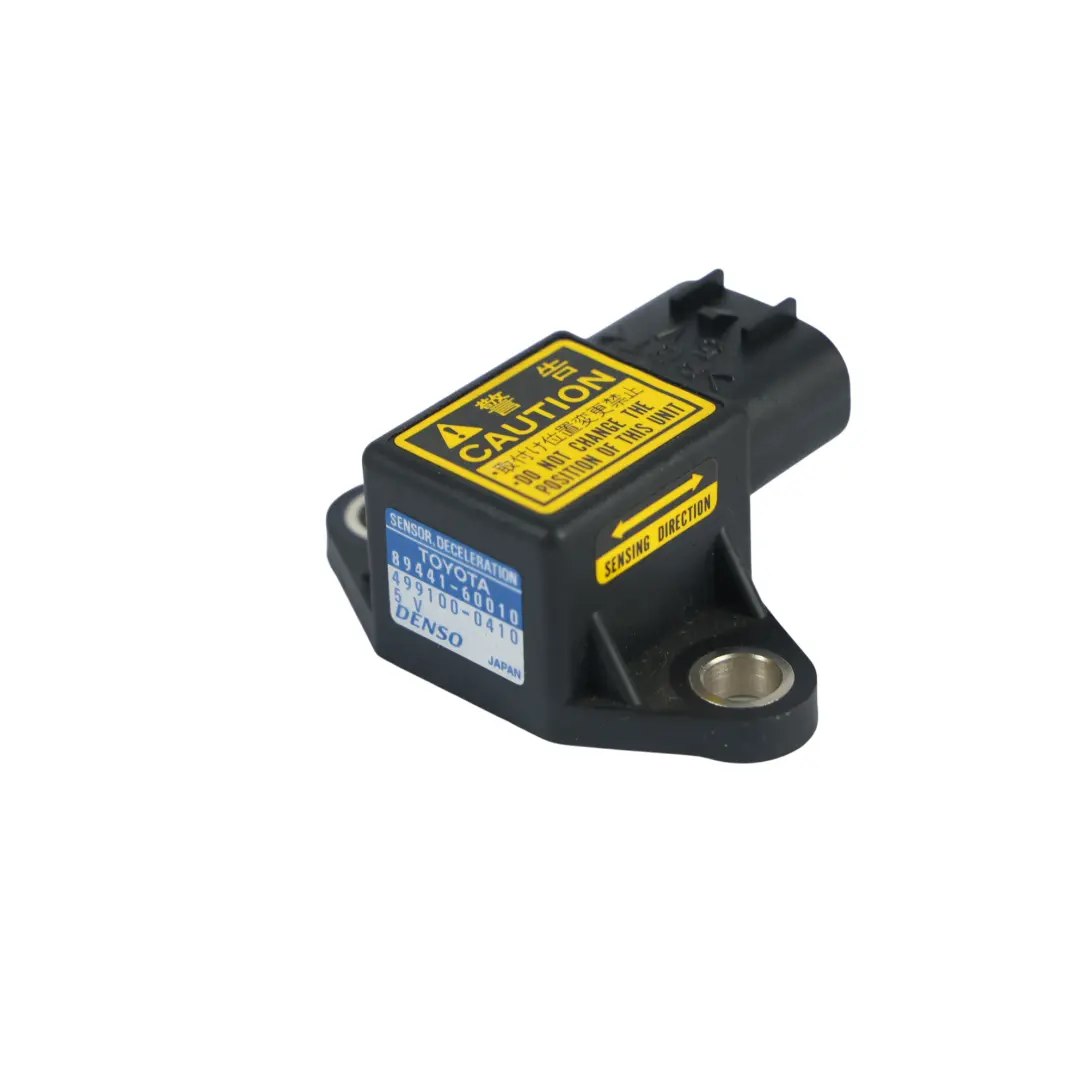
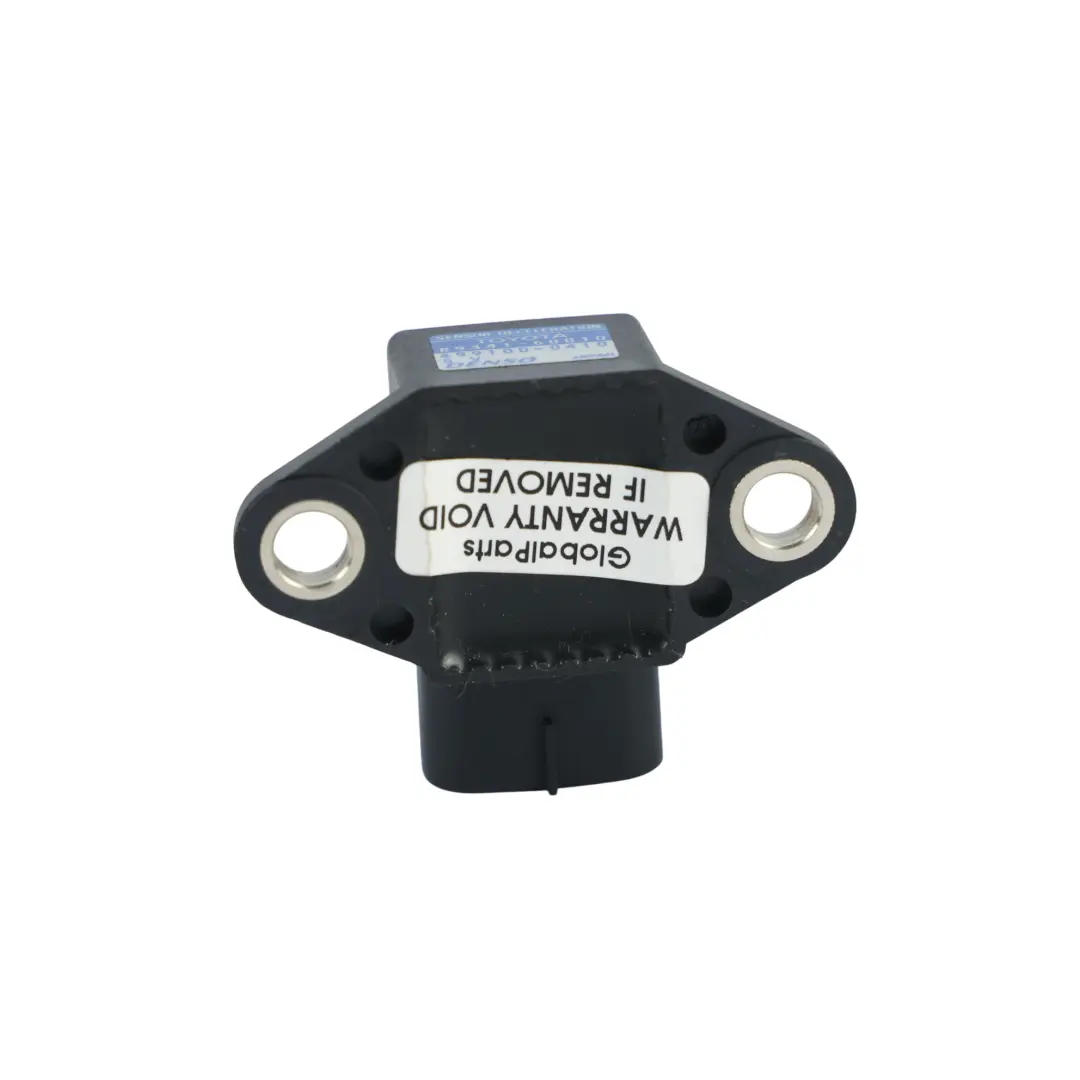
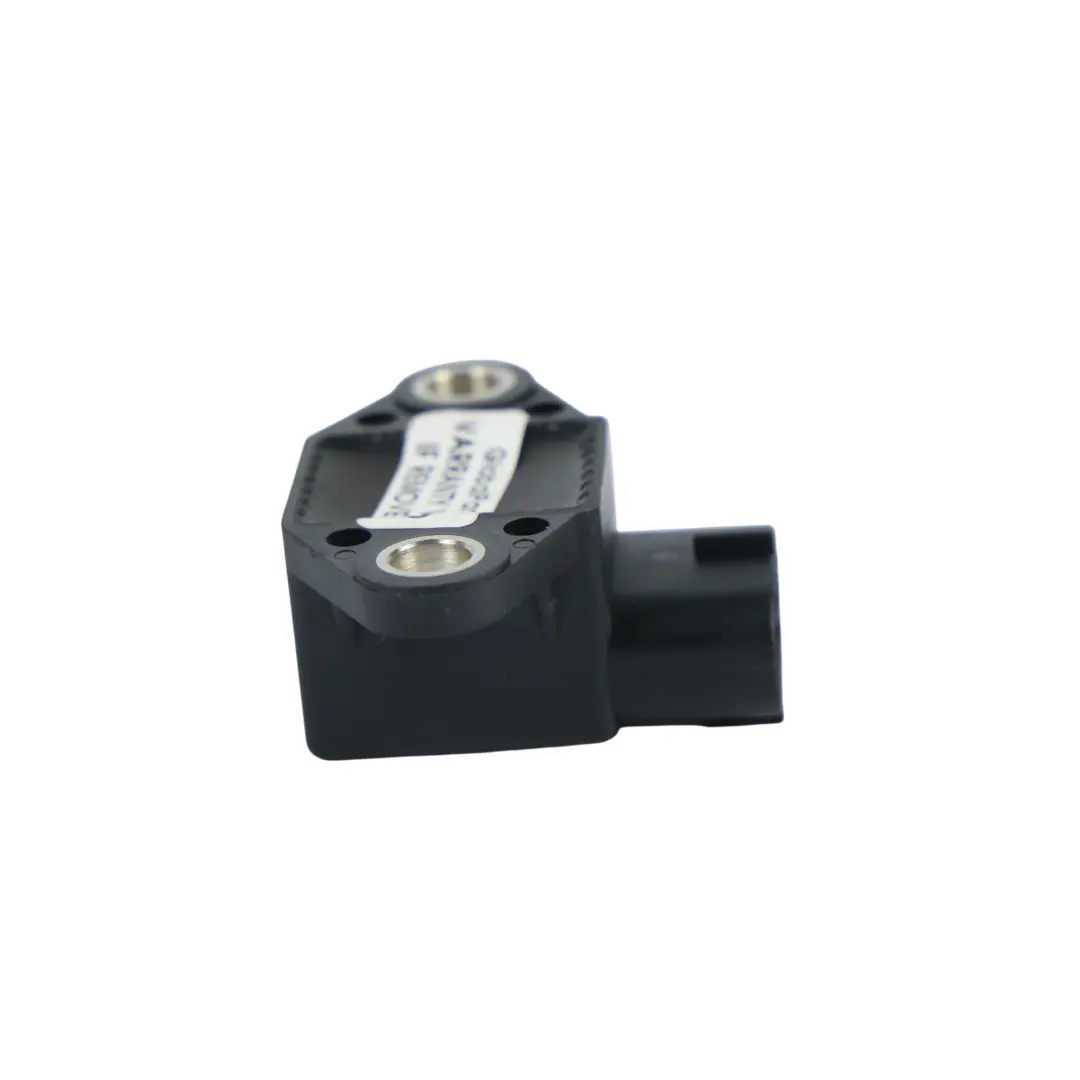
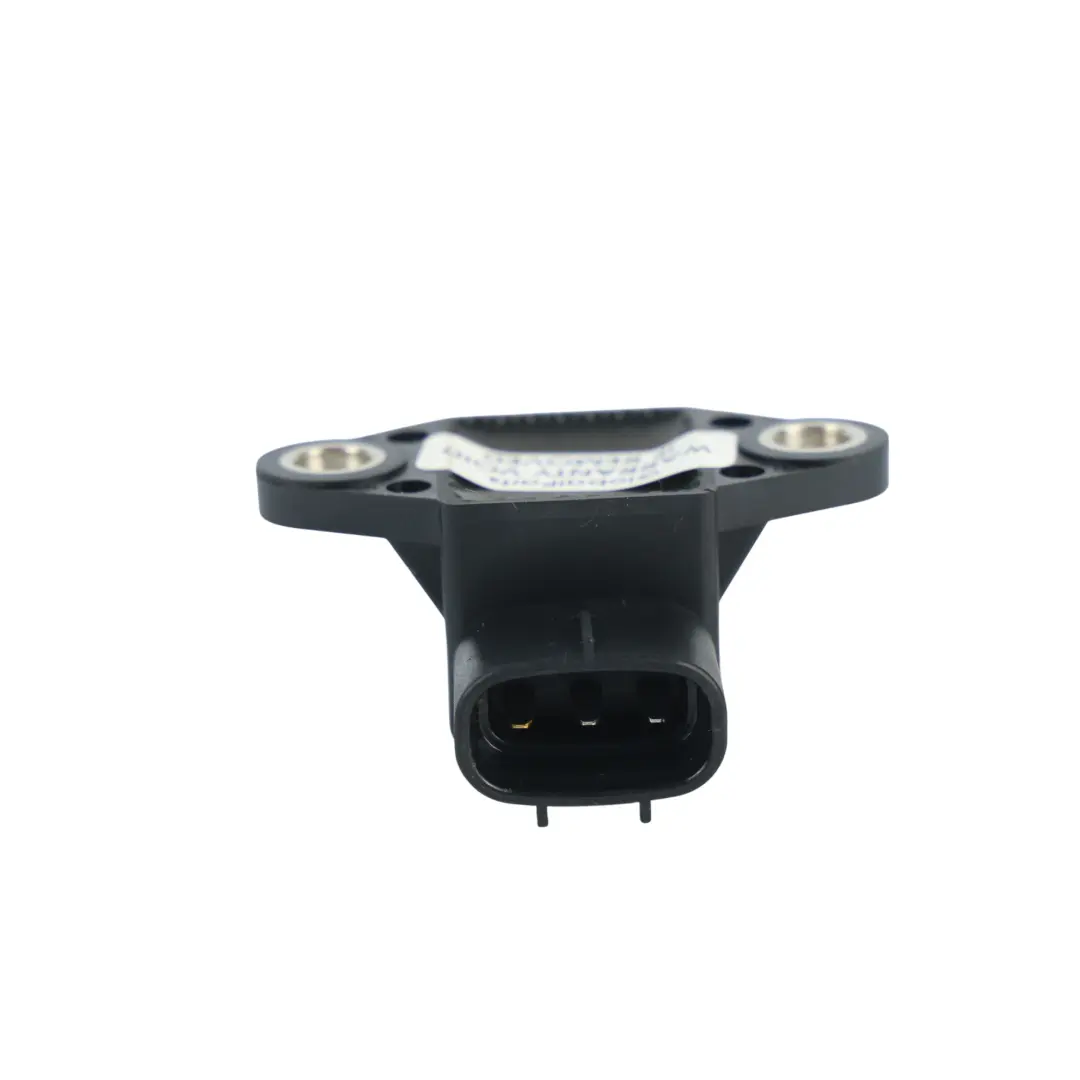
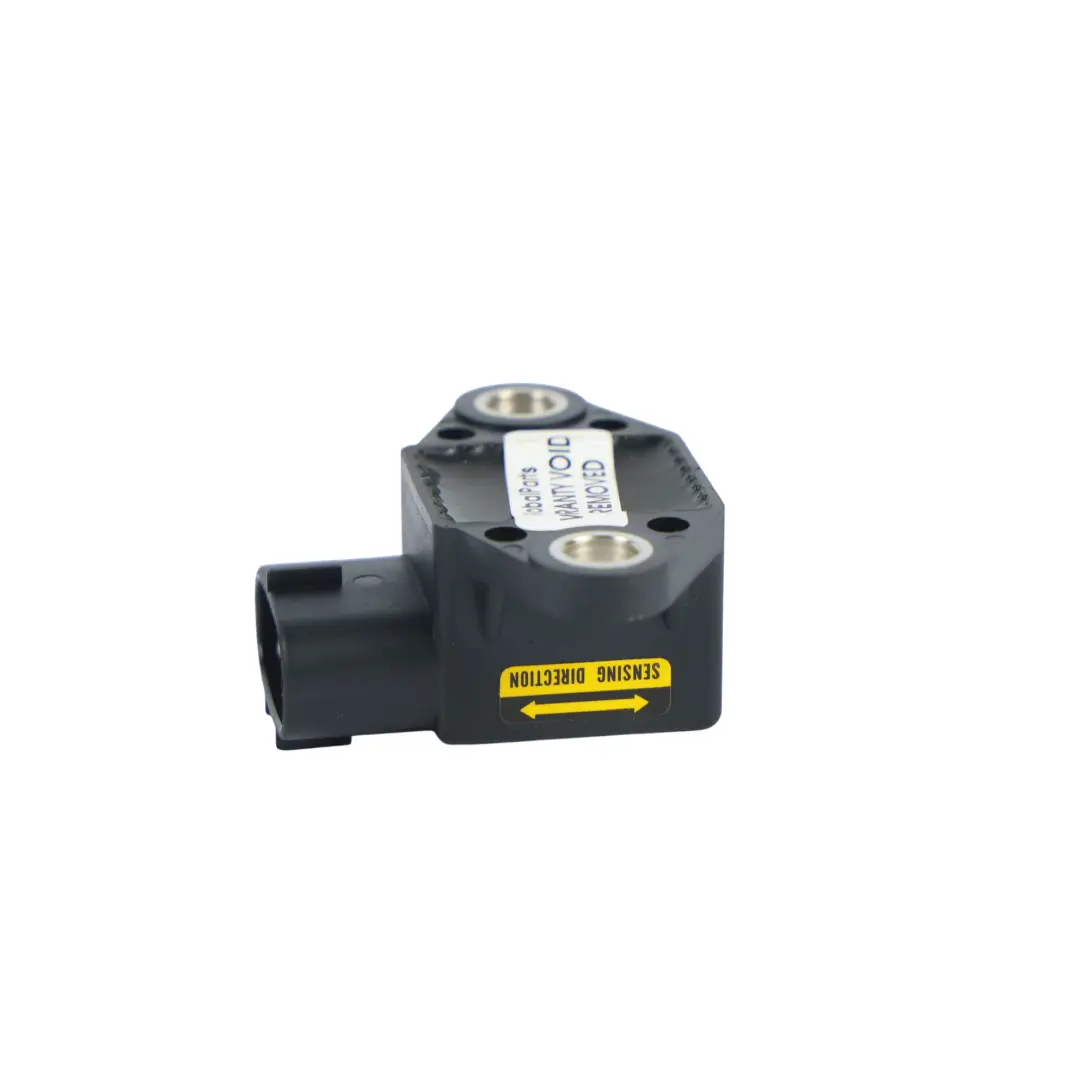
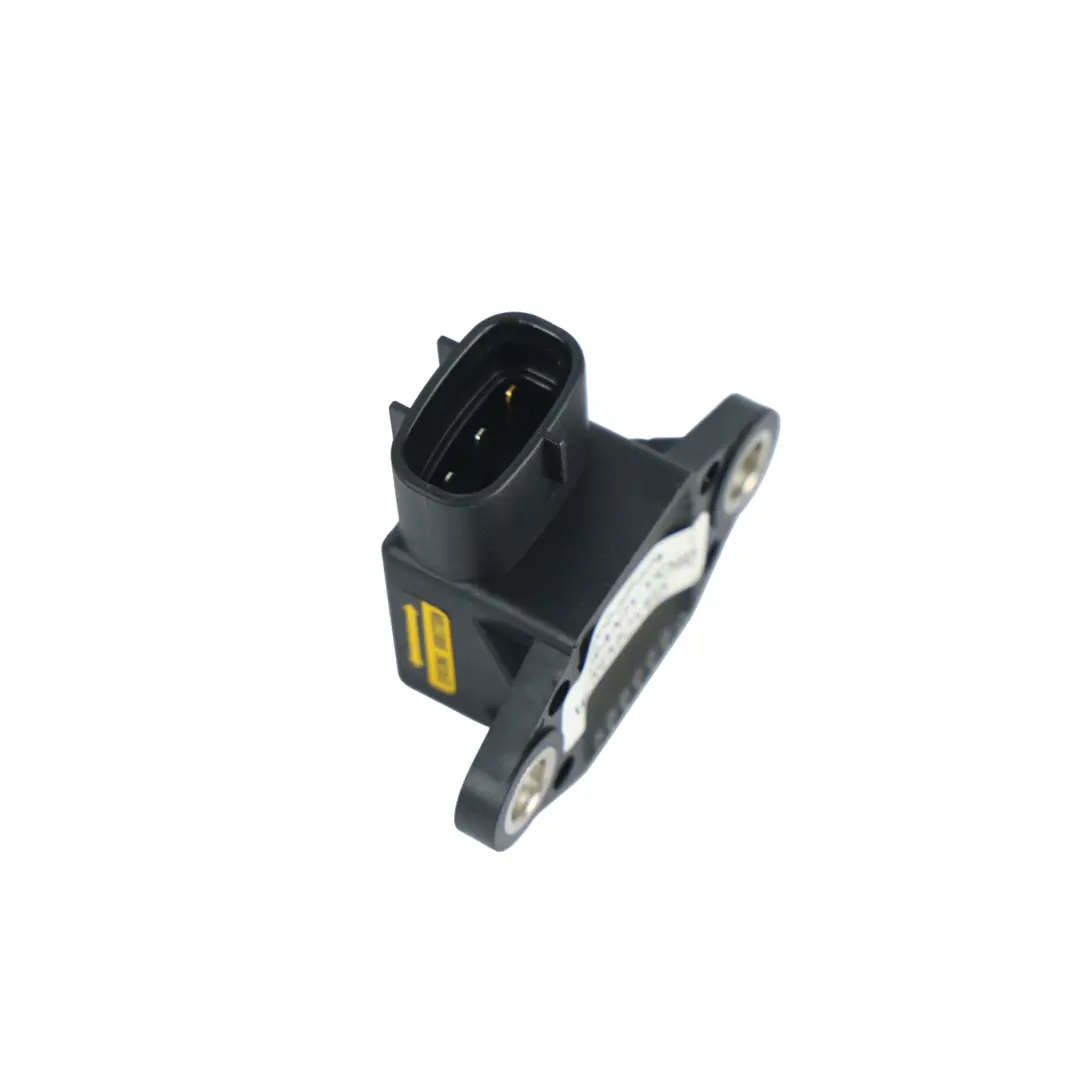
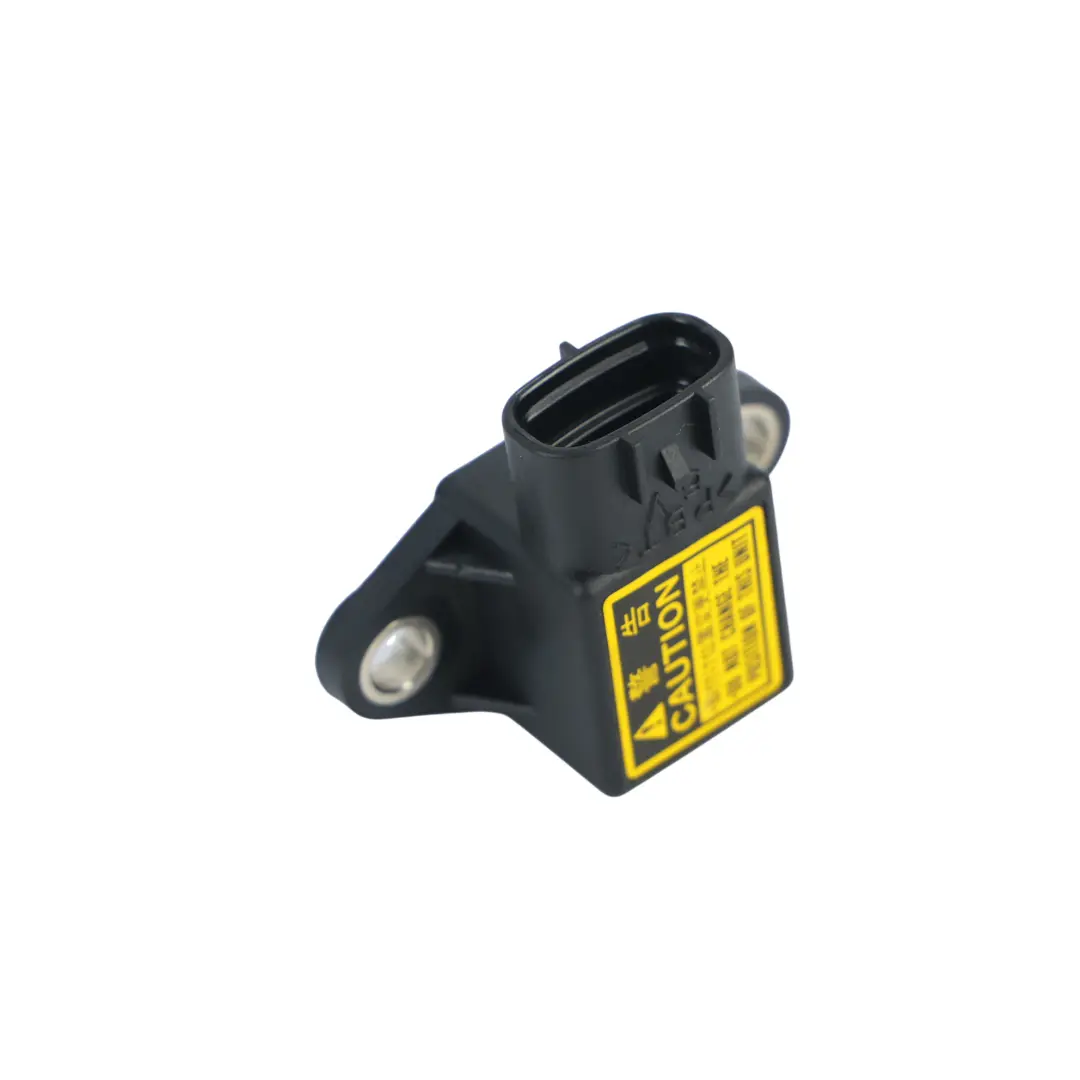
Toyota Hilux RAV4 Yaw Rate ESP Deceleration Sensor 8944160010
SKU: 8944160010
Product from a certified dismantling facility
Condition:
Used
Available:
1
Delivery time:
Estimated delivery in the country Europe between Mon, Nov 09 and Tue, Nov 10
Dispatched today if paid before 14:00
Payment methods:


Returns:
30 days return
Delivery from:
Free delivery
€23.95
1
Lowest price in the last 30 days: €23.95
Total for items
€23.95
Toyota Hilux RAV4 Yaw Rate ESP Deceleration Sensor is a precision component from the Electronic control modules and controllers group, responsible for accurate measurement of body movement and integration with the electronic stability program. A properly selected sensor ensures the correct operation of the ESP system, which translates into predictable vehicle behavior and safer handling in various road conditions.
Specifications and technical data
- SKU: 8944160010
- Mark: Toyota
- Condition: Used
- OEM Part Number: 8944160010
- Substitutable numbers: 8944160010, 89441-60010
- Part type: ADAS Control Module
- Category: ECUs & Computer Modules
Function and application of the ESP yaw rate sensor
The presented sensor is responsible for measuring the yaw rate and body deceleration, providing the stability control unit with the data necessary to correct the driving path. Based on these signals, the ESP system can modulate the braking force of individual wheels and intervene in the drivetrain operation to keep the vehicle in a stable position. In vehicles such as the Hilux or RAV4, a properly functioning yaw rate sensor is of particular importance when driving on slippery surfaces, in ruts, or on terrain with variable grip. Stable communication with the electronic system influences:
- maintaining the intended trajectory in corners,
- limiting axle slip during sudden maneuvers,
- more predictable response of driver assistance systems.
Technical characteristics and integration with vehicle electronics
The sensor belongs to the Electronic control modules and controllers group, which means it works directly with the vehicle's central control units. It is designed to operate in environments with high requirements regarding resistance to vibration and temperature changes, typical for commercial vehicles and SUVs. This component generates high-repeatability signals that are interpreted by the stability system controller. This enables:
- precise detection of differences between the intended and actual driving direction,
- rapid response of the ESP system to sudden changes in grip,
- consistent cooperation with other sensors in the vehicle, such as ABS sensors or acceleration sensors.
Benefits of using an original Toyota module
The original Toyota module ensures compatibility with the vehicle's factory electrical and software architecture. As a result, the following are maintained:
- correct ESP system operating parameters without the need for installation modifications,
- consistency of communication in the vehicle's data bus,
- operational stability over a long service life. A component from this group, even as a used part, can be a cost-effective solution in the event of a factory sensor failure, provided it is correctly matched to the specific vehicle configuration and installed according to the service procedure.
Selection, installation, and service aspects
When replacing the ESP yaw rate sensor, it is essential to match it to the specific vehicle equipment version and maintain the correct mounting orientation. In many cases, after installation, it is necessary to perform an adaptation or calibration procedure using an appropriate diagnostic tester so that the controller correctly interprets the signals from the new component. In service practice, it is worth paying attention to:
- the condition of electrical connectors and the wiring harness at the mounting location,
- stable mounting of the sensor to the body or subframe,
- the absence of play and deformations in the vicinity of the mounting point, which could affect readings.
Expansion of the electronic system and related components
If you are planning a comprehensive repair or upgrade of the stability and traction control systems in your Toyota and need other elements from the same group, such as safety system controllers, traction control modules, or additional driving dynamics management units, check the available parts in the Toyota electronic control modules and controllers category. In the case of more complex work on vehicle electronics, especially when it involves the integration of multiple control modules, materials describing a practical approach to diagnostics and the use of dismantled parts may also be helpful. In this context, it is worth reading the article Driving pleasure for years – how to take care of iDrive systems and electronic modules in BMW 3 and 5 series models using dismantled parts?, which discusses the general principles of working with used electronic modules and their proper service handling.
Delivery details
Ship to: Germany
Check delivery times for another country
Delivery Price
Service
Postage and packaging
Delivery time
Estimated delivery in the country Europe between Mon, Nov 09 and Tue, Nov 10
Dispatched today if paid before 14:00
Estimated delivery dates include sellers dispatch time, origin postcode,destination postcode and time of acceptance, and will depend on the postage service selected and receipt of cleared payment. Delivery times may vary, especially during peak periods.
Will usually dispatch within same working day if paid before 14:00 BST (excludes weekends and holidays). Expected dispatch time may vary and is based on sellers order cut-off time.
In the automotive store Global Parts, we offer fast and secure deliveries for our customers in Europe, ensuring maximum compliance with local service standards. Each order is processed with the utmost attention, guaranteeing a fluid shopping process and a timely delivery. If you need assistance in choosing the right part, our team of consultants will be happy to help you find the right part for your vehicle and provide information on installation, availability and parameters of the selected components.