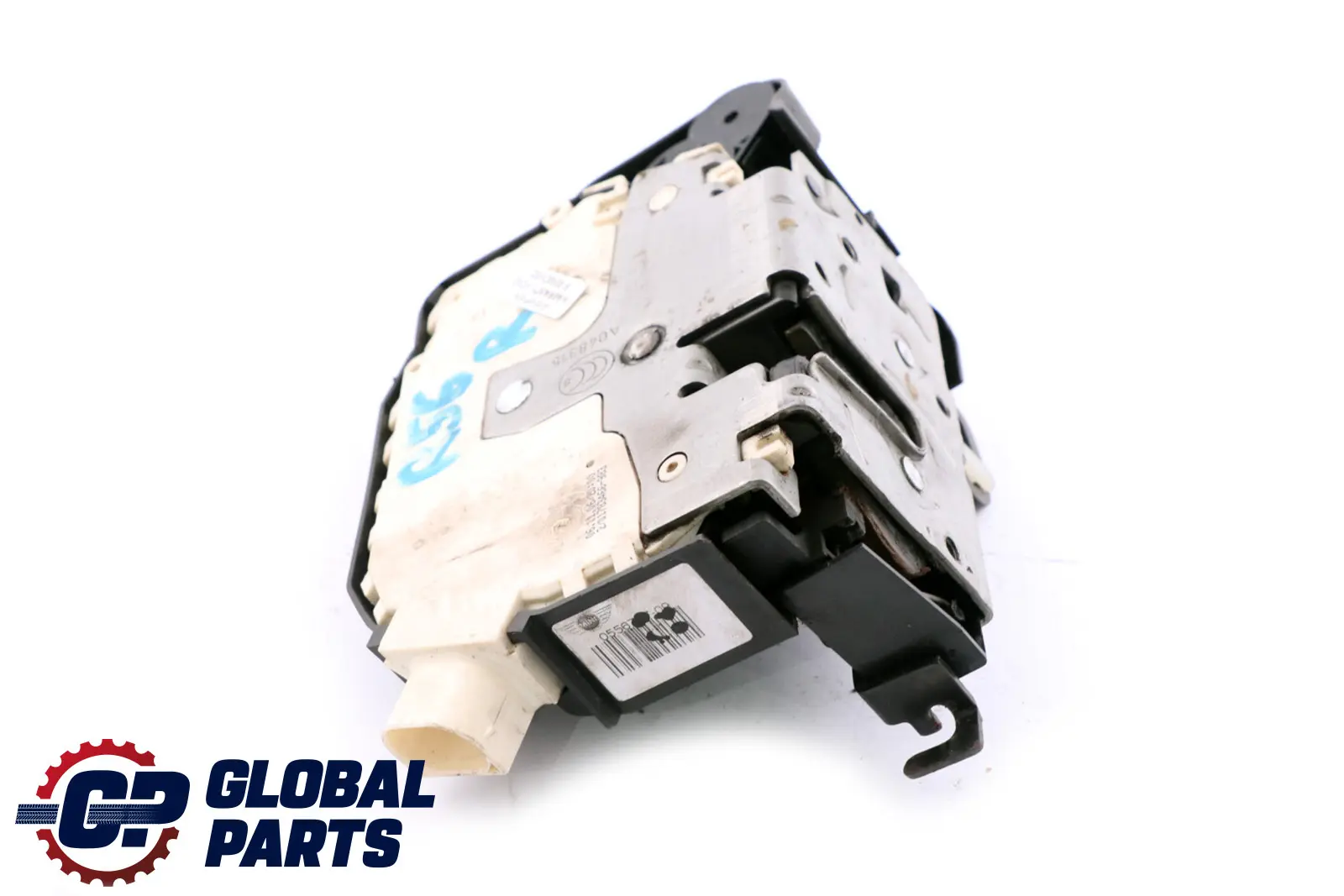
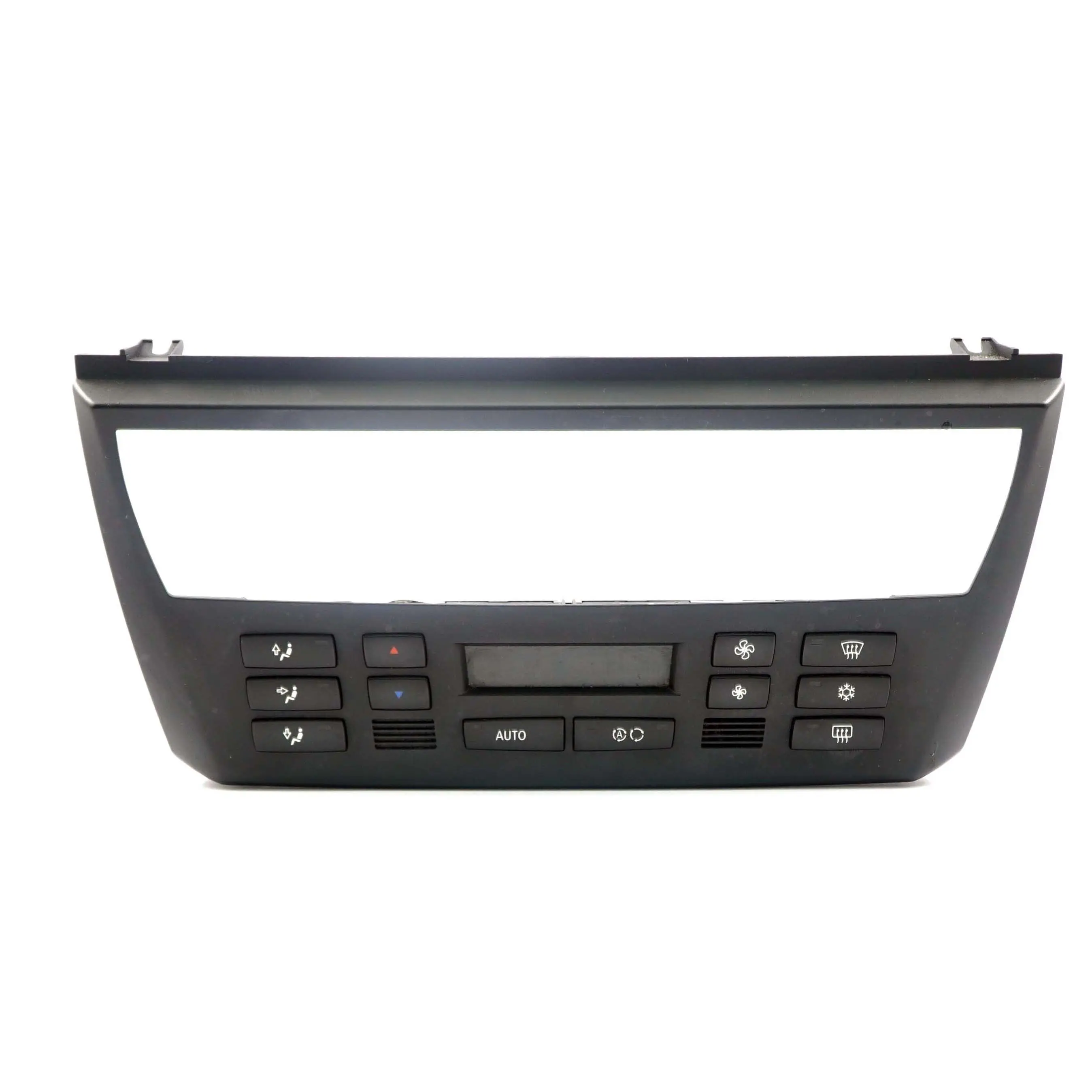
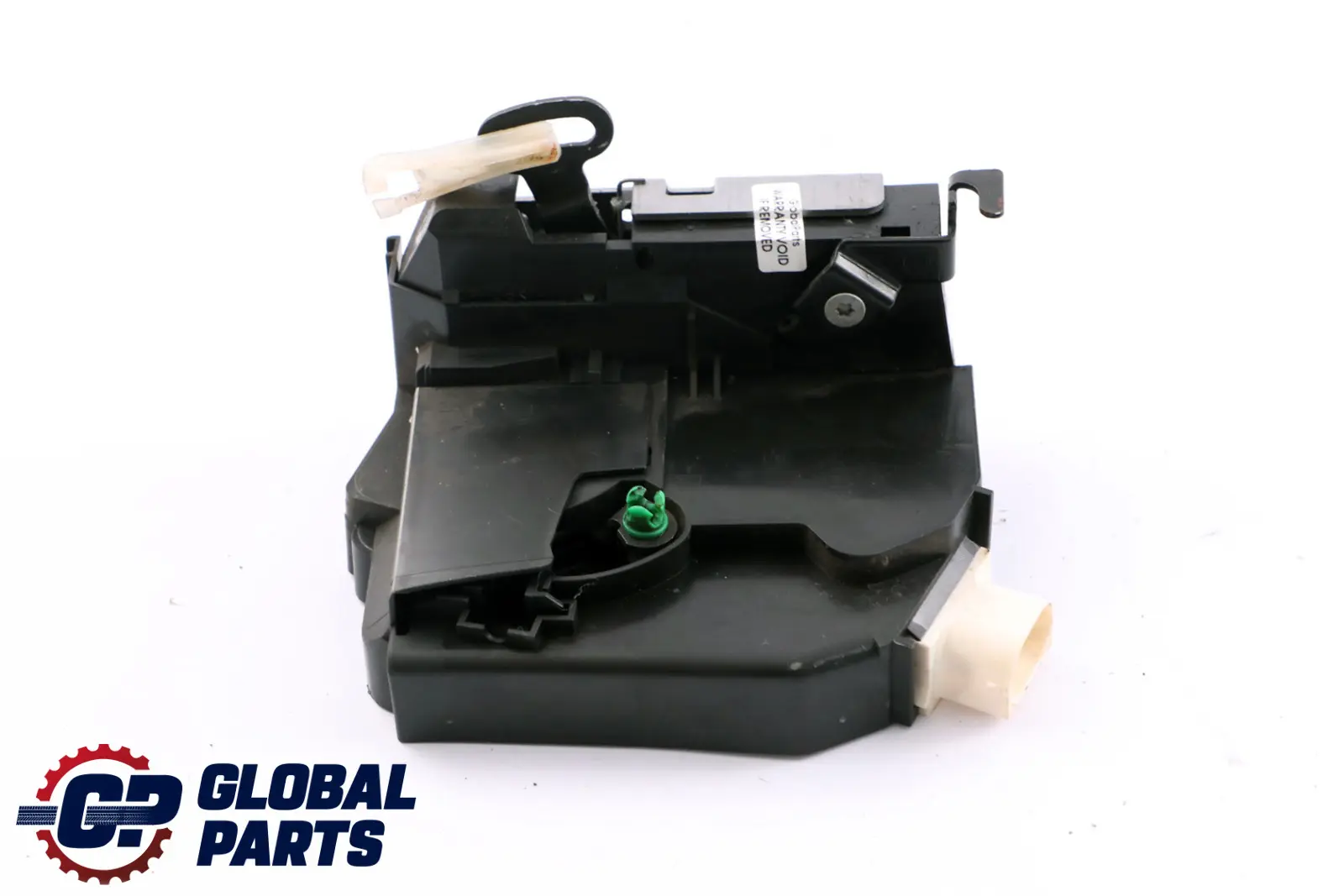
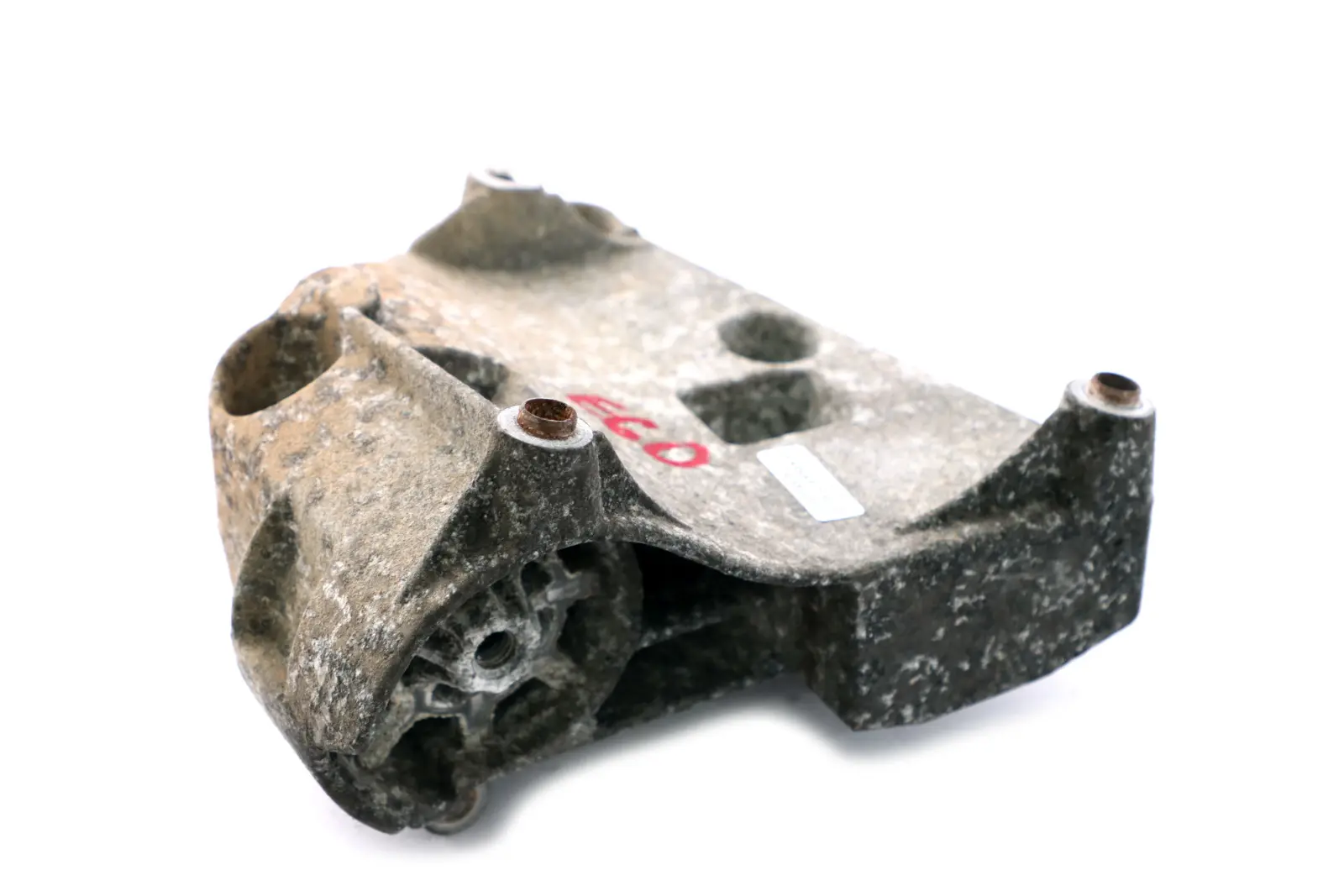
Yes, used car parts They can be a sensible choice if their condition and fit can be confirmed before installation. In the case of a rare interior component, an original from disassembly allows for the restoration of the factory finish, and in the case of a larger component, it can be an alternative to repairing the existing assembly. However, this doesn't mean that every used part will be suitable or that all components are suitable for continued use. The purchase value is also determined by completeness, required assembly, and the ability to verify the repair result. At Global Parts, you can check the availability of a specific component and consult its fit. Therefore, before making a decision, it's worth combining a technical assessment with verification of the markings and the scope of the repair, rather than relying solely on the appearance of the offer. Contents
- When does buying an original from dismantling actually make sense?
- What parts require special care?
- How to select a used part by VIN number?
- Do the English parts fit the European version?
- How to check a used engine before buying?
- How to safely buy a used gearbox?
- FAQ - Buying Used Car Parts
When does buying an original from dismantling actually make sense?
A used part is worth considering if it matches the identified fault and its suitability can be reliably verified. This benefit disappears if the part's uncertain condition means the car will have to be disassembled again. Genuine automotive parts help maintain factory fitments, dimensions, and finish, but only after proper workmanship has been confirmed. A functioning exhaust manifold with undamaged manifold surfaces can be judged differently than a cracked or warped component, regardless of its exterior appearance. If a wiper motor is needed, , it must be determined whether the delivery includes only the drive or also the mechanism with cables. In turn, the sunroof It requires distinguishing between the glass, drive, guides, and the entire cassette, as purchasing a larger kit doesn't always correspond to the scope of the repair. The term "OEM" used in this article refers to original components from disassembly, not to parts automatically considered remanufactured. Therefore, the choice should be based on a comparison of the specific unit with the workshop's requirements, not on the general belief that any original will be better than a new replacement. The following information will help you evaluate the offer before you begin dismantling the damaged element.
| Assessment Area | What is worth confirming? | Warning signal |
|---|---|---|
| Identification | Full part number, make and application. | Match declared solely on the basis of a similar photo. |
| Condition | Scope of tests performed and damage found. | The general term "efficient" without explaining the method of control. |
| Completeness | List of components and accessories included in the delivery. | Discrepancy between the description and the equipment visible in the photo. |
| Installation | Required materials, settings and final inspection. | Assuming that the mountings match means the selection is complete. |

What parts require special care?
The greater the component's impact on safety and the more difficult it is to assess its internals, the more important a specialist inspection and proper assembly procedure are. Merely knowing that it came from a running vehicle does not replace such an inspection. Used switch requires an assessment of the geometry, cracks, and seating of mating components. A wheel hub left in the kit should not be considered functional just because it is still bolted on; the bearings require a separate assessment. A hydraulic power steering pump, however, requires a proper functional test, and before its installation, the fluid condition and circuit cleanliness should be assessed. For electronic components, such as tire pressure sensors, checking with a suitable tester provides information about the battery's operation and condition that the photo doesn't show. Components related to braking, handling, or passenger protection should be assessed by a specialist in accordance with the documentation for the specific design. Required new filters, fluids, seals, and disposable components should not be replaced with used parts left in the purchased kit.
How to select a used part by VIN number?
The VIN helps determine the vehicle's factory configuration, but it is not a component part number. Selection should combine vehicle data with specific part identification. When searching for parts by VIN, it's a good idea to supplement it with a photo of the current component's designation and information about its equipment. If the car has been previously rebuilt, you should also check the actual condition of the installation, rather than relying on data from the time of manufacture. Example differential It should match the correct drive configuration, gear ratio, mountings, and connections to the shaft and driveshafts. A similar housing is not sufficient confirmation of interchangeability. If the catalog indicates a replacement number, its applicability should be verified for the specific vehicle model. It's safest to confirm the offer with the seller and mechanic before purchasing, especially if the part requires subsequent coding or specialized adjustments.
Where can I find the OEM part number?
The marking is usually found on a label, plate or directly on the housing, and its meaning must be compared with the parts catalog. It's a good idea to photograph the entire label, rather than copying only the largest sequence of numbers. Final letters may indicate a different version or build of the component. The serial number of a specific unit does not serve the same function as the catalog number. The casting designation also does not necessarily identify the complete assembly shown in the offer. If the label is illegible, manufacturer's diagrams and parts identification by a service center can be helpful. Photos of connectors, flanges, mountings, and additional equipment are useful for comparison. A component should not be disassembled solely for the purpose of reading the number if this requires interference with the safety system or the depressurization of the system. In such cases, such identification should be entrusted to a workshop, which will determine a safe method of inspection.
Do the English parts fit the European version?
Some do, but compatibility must be verified for the specific component. The mere fact that it comes from a right-hand drive car doesn't determine whether it's interchangeable or not. When it comes to headlights, it's important to distinguish between the mounting side and the direction of travel for which the optics are intended. The left headlight from a British car, by its very name, isn't suitable for cars used in Poland. The headlight must have optics suitable for right-hand traffic, and the ability to adjust the settings must be confirmed before it can be installed. For mirrors, the field of view, assembly geometry, and electrical functions must be checked, not just the housing shape. For mechanical parts, the full markings and application are important, so it's worth considering them independently of the simplified "British" label. Before ordering, the seller should be clearly informed about the vehicle version the component will be used in.
Do pre-facelift lamps and mirrors fit facelift?
There is no single rule: some elements remain common, while others differ in terms of mounting, electronics or functions.
A similar appearance does not confirm installation compatibility. In the case of lamps, it's necessary to compare the light source type, connectors, and required control modules. Mounting points and compatibility with adjacent body parts are also important. Mirrors should be checked for features such as heating, folding, memory settings, or the presence of a camera, if applicable. The number of wires alone may not explain all the differences. Replacing a part with the same one and retrofitting a car with a later version are two different areas of operation. The latter may require additional components and configuration specific to the solution. A service center should prepare such a plan before purchase, rather than adapting the installation to a randomly selected component.

How to check a used engine before buying?
The most important thing is to identify the unit and obtain inspection results that truly describe its condition. The scope of possible tests depends on whether the unit is still in the vehicle or has already been removed. The engine used should have a clear marking and a code such as M54B30 should be compared with the vehicle's requirements and the range of accessories being swapped. Recording a cold start and warm-up run is helpful, if applicable to the model being offered, but does not provide a complete assessment of its wear. A compression pressure measurement allows for cylinder comparisons, while a leak test helps assess the path of air leakage from the cylinder being tested. A mechanic should interpret the results according to appropriate criteria, without assuming a single universal value for all designs. Before purchasing, it is also important to determine whether the delivery includes just the basic assembly, or also the manifolds, injectors, and other specified components. If the unit replaces a damaged engine, the cause of the previous failure should be ruled out before swapping the accessories to prevent it from being transferred to the next set.
How to safely buy a used gearbox?
Purchases should be based on the complete gear designation, confirmed application, and agreed-upon inspection scope. The same number of gear ratios or a similar housing are not sufficient for part approval. If the transmission remains in the vehicle, diagnostic results and an assessment of its operation both cold and after it has reached operating temperature are useful. Once it's been removed, the seller should clearly state which tests have been performed previously and what is limited to visual inspection. The offer should distinguish between the transmission itself and a package that also includes a controller, mechatronics, or other devices, depending on the design. An example is the multitronic. 01J family, for which the diagnostic documentation provides for adaptation after gearbox replacement and, in certain situations, after ECU replacement. Therefore, mechanical compatibility does not automatically mean the repair is complete after the assembly is bolted on. The workshop should first confirm the required actions, the correct fluid, assembly materials, and the post-commissioning inspection procedure.
FAQ - Buying Used Car Parts
The following answers help separate part identification from assessing its condition and assembly requirements. The catalog number identifies the desired version, but does not describe the wear and tear of a specific unit. The remanufacturing information should indicate the actual scope of work performed. However, for components from another vehicle model, mechanical and electrical compatibility must be confirmed. Before installation, it's worth comparing the delivered part with the description, markings, and workshop specifications. This verification helps clarify discrepancies before the part is installed in the vehicle.
| QUESTION | ANSWER |
|---|---|
| What does the term OEM mean? | In this article, it refers to original components from disassembly. Factory origin does not automatically confirm current functionality or remanufacturing. |
| What is the difference between a used and a remanufactured part? | A used part has been previously used. Remanufacturing involves an additional process of restoring functionality, the scope of which should be confirmed before purchase. |
| What is the difference between a catalog number and a serial number? | The catalog number identifies the part or its design, while the serial number identifies the specific unit. These designations should not be used interchangeably when selecting a part. |
| How to check if a used part is original? | Compare the manufacturer's markings, catalog number, and build quality with reliable part information. Origin information is helpful, but a logo or a single photo alone does not provide reliable confirmation of authenticity. |
| Do the English parts fit a left-hand drive car? | Some do, but require verification of the specific application. Headlights, mirrors, and handlebar-side components require special attention; a similar housing does not confirm interchangeability. |
| Do pre-facelift lamps and mirrors fit post-facelift? | This depends on the specific part and vehicle model. You should compare the mountings, connectors, equipment, and required modules, and plan any necessary system modifications with your service center before purchasing. |
| Is a video of a used engine running enough for an assessment? | No. It is a reference material that should be combined with the unit identification, inspection results, and completeness information. It does not replace a mechanic's assessment or independently confirm all engine parameters. |